
If you have been searching for a vaginal tightening procedure that does not involve surgery, you are not alone. Thousands of women search for non-surgical options every month, and the results are overwhelming. Pills, creams, gels, tightening wands, herbal supplements, and promises that sound too good to be true. Most of them are.
Vaginal laxity after childbirth, hormonal changes, or aging is a real medical concern. It is not something you need to feel embarrassed about. And the good news is that there are clinically proven non-surgical treatments that can improve tightness, sensation, and confidence without a single incision. At FemSculpt, board-certified OB/GYN Dr. Sue Kafali specializes in these treatments and approaches every patient with the understanding that preserving and improving sensation is the priority, not just “tightening.”
This guide compares every major option, from at-home products to pelvic floor exercises to professional RF and laser treatments to surgery, so you can make a confident, informed decision.
Key Takeaways
- A non-surgical vaginal tightening procedure using radiofrequency (RF) or laser can improve laxity, sensation, and lubrication with no downtime and no incisions
- Over-the-counter pills, gels, and creams have no clinical evidence supporting real structural tightening
- Pelvic floor exercises (Kegels) help with muscle tone but cannot address tissue laxity or collagen loss
- Morpheus8V and FormaV are in-office RF treatments that stimulate collagen remodeling from the inside out
- Dr. Kafali is a board-certified OB/GYN who understands nerve pathways, sexual function, and how to protect sensation during every treatment
Why So Many Women Are Searching for Vaginal Tightening
Vaginal laxity is one of the most common concerns women experience after childbirth. It is also one of the least talked about.
So many women describe feeling “loose,” noticing reduced sensation during intimacy, or losing the ability to orgasm the way they used to. These are not cosmetic complaints. They are quality-of-life issues that affect confidence, relationships, and daily comfort.
The challenge is that most women do not know professional treatments exist. Intake forms at FemSculpt frequently include phrases like, “I didn’t even know this was an option.” That gap in awareness is exactly why the internet is flooded with at-home “solutions” that range from ineffective to potentially harmful.
Whether you have had two children or seven. Whether you are in your 30s or your 60s. Seeking help for vaginal laxity is a legitimate medical decision. You deserve accurate information about what works, and what does not.
The OTC Myth: Why Pills, Gels, and Creams Do Not Work
Search for “natural vaginal tightening” and you will find thousands of products: tightening gels, herbal pills, alum powder, jade eggs, vaginal tightening sticks, oak gall extracts, and more. These products are marketed with bold claims, but none of them have clinical evidence showing they produce structural tightening of vaginal tissue.
Here is why:
- Vaginal laxity is a structural issue. The vaginal canal is made up of muscle, connective tissue, and collagen. When these structures stretch from childbirth, aging, or hormonal changes, a topical product cannot reverse that change. No cream can rebuild collagen or tighten muscle fibers.
- Temporary “tightening” sensations are misleading. Some gels create a temporary astringent effect, a slight drying or tingling that feels like tightening. This wears off within hours and does nothing to address the underlying cause.
- Safety concerns are real. Many of these products contain undisclosed ingredients, fragrances, or chemicals that can disrupt vaginal pH, cause irritation, allergic reactions, or infections. The vaginal microbiome is delicate, and introducing unregulated products can cause more harm than good.
- No FDA regulation. Most of these products are sold as supplements or cosmetics, which means they do not have to prove they work before going to market.
If a product promises to “tighten your vagina overnight,” it is not being honest with you. Real tightening requires either strengthening the pelvic floor muscles, remodeling the underlying collagen, or surgically reconstructing the tissue.
Pelvic Floor Exercises: What They Can and Cannot Do
Kegel exercises are the most commonly recommended starting point for vaginal laxity, and for good reason. Strengthening the pelvic floor muscles can improve muscle tone, reduce mild stress urinary incontinence, and enhance the sensation of “grip” during intimacy.
How to do Kegels correctly
- Identify the right muscles by stopping your urine stream midflow (do this once to identify the muscles, not as a regular exercise)
- Contract those muscles and hold for 5 seconds
- Release for 5 seconds
- Repeat 10 times, 3 sets per day
- Gradually increase hold time to 10 seconds as strength improves
Where Kegels fall short
Pelvic floor exercises strengthen muscles. They cannot address everything.
- Tissue laxity. If the vaginal walls have stretched or thinned from childbirth or menopause, muscular strength alone will not restore tightness to the tissue itself.
- Collagen loss. Aging and hormonal changes reduce collagen in the vaginal walls. Kegels do not stimulate collagen production.
- Significant laxity from multiple births. Women who have had three or more vaginal deliveries often describe laxity that exercises alone cannot meaningfully improve.
- Vaginal dryness or atrophy. Pelvic floor exercises do not address lubrication or tissue health changes related to menopause.
Kegels are a good foundation. For mild laxity, they may be enough. For moderate to significant laxity, they work best when combined with a professional treatment.
Non-Surgical Vaginal Tightening: RF and Laser Treatments That Work
This is where the real clinical options begin. Non-surgical vaginal tightening procedures use either radiofrequency (RF) energy or laser energy to stimulate collagen remodeling in the vaginal walls. These are in-office treatments performed by a trained provider, and they have published clinical evidence supporting their effectiveness.
Morpheus8V (Radiofrequency Microneedling)
Morpheus8V is a fractional radiofrequency microneedling device designed specifically for internal vaginal and external vulvar treatment.
- How it works: Tiny microneedles deliver RF energy directly into the vaginal tissue at controlled depths. This creates a dual effect. The microneedles trigger a healing response, and the RF energy heats the deeper tissue layers to stimulate collagen and elastin remodeling.
- Best for: Women with moderate laxity, reduced sensation, or vaginal dryness who want meaningful improvement without surgery
- What to expect: Treatment takes about 30 minutes. Most patients describe mild pressure or warmth, not pain. There is no downtime, and most women return to normal activities the same day.
- Results timeline: Collagen remodeling takes time. Initial improvements may be noticeable within 2 to 4 weeks, with full results developing over 2 to 3 months. A series of 3 treatments spaced 4 to 6 weeks apart is typical.
- Sensation: Morpheus8V is designed to improve sensation, not reduce it. Many patients report enhanced sensitivity and improved arousal after treatment.
FormaV (Radiofrequency Vaginal Tightening)
FormaV uses bipolar radiofrequency energy delivered through a smooth handpiece that is gently inserted into the vaginal canal.
- How it works: The handpiece delivers uniform RF energy to heat the vaginal tissue to a therapeutic temperature. This controlled heating stimulates collagen contraction and new collagen production over time.
- Best for: Women with mild to moderate laxity, early signs of vaginal atrophy, or those who want a comfortable entry-point treatment before considering more intensive options
- What to expect: Treatment takes about 30 minutes. Patients often describe it as a warm, spa-like sensation. There is zero downtime.
- Results timeline: Improvement is gradual. Most patients see noticeable changes after 3 sessions spaced 1 to 2 weeks apart. Results continue to improve for several months.
- Sensation: FormaV may improve blood flow and nerve sensitivity in the treated tissue, potentially enhancing arousal and sensation.
Vaginal Laser Treatments
Vaginal laser treatments use fractional CO2 or Erbium laser energy to create controlled micro-injuries in the vaginal mucosa. The healing process stimulates new collagen, improves tissue thickness, and restores moisture.
- Best for: Women experiencing vaginal dryness, atrophy (especially post-menopausal), or mild laxity
- What to expect: Treatment takes 10 to 15 minutes. Minimal discomfort. Most patients resume normal activities within 1 to 2 days.
- Results timeline: Noticeable improvement after 2 to 3 sessions, spaced 4 to 6 weeks apart
Why a board-certified OB/GYN matters for these treatments
Any provider can purchase an RF or laser device. What separates outcomes is the provider’s understanding of the anatomy being treated.
Dr. Kafali is a board-certified OB/GYN who spent her career understanding female pelvic anatomy, nerve pathways, and sexual function. She knows exactly where to deliver energy for maximum benefit. She also knows where to protect delicate structures so that sensation is preserved and improved.
That is a fundamentally different level of care than a med spa offering the same device without that depth of anatomical knowledge.
Comparison: At-Home vs. Pelvic Floor vs. RF/Laser vs. Surgery
| Option | How It Works | Effectiveness | Downtime | Best For |
|---|---|---|---|---|
| OTC Products (pills, gels, creams) | Temporary astringent effect on surface tissue | No clinical evidence for structural tightening | None | Not recommended |
| Pelvic Floor Exercises (Kegels) | Strengthens pelvic floor muscles | Effective for mild laxity and incontinence; limited for tissue laxity | None | Mild laxity, maintenance after treatment |
| RF Treatments (Morpheus8V, FormaV) | Radiofrequency energy stimulates collagen remodeling in vaginal tissue | Clinically supported; improves tightness, sensation, and lubrication | None to minimal | Mild to moderate laxity, sensation improvement, dryness |
| Laser Treatments | Fractional laser creates micro-injuries to trigger collagen renewal | Clinically supported for atrophy, dryness, and mild tightening | 1-2 days | Vaginal dryness, atrophy, post-menopausal changes |
| Surgical Vaginoplasty | Surgically removes excess tissue and tightens vaginal canal muscles | Most dramatic and long-lasting results | 4-6 weeks (no sex for 6-8 weeks) | Significant laxity, birth trauma, patients wanting permanent results |
If you are unsure which option is right for you, that is completely normal. So many women start with a consultation and let a specialist recommend the best approach based on their anatomy, goals, and lifestyle. You do not have to decide before you walk in.
When Surgery Is the Better Option
This guide focuses on non-surgical vaginal tightening, but Dr. Kafali believes in being honest with every patient: non-surgical treatments have limits.
If you are experiencing significant laxity from multiple vaginal births, birth trauma with scarring, or structural changes that have dramatically affected your quality of life, surgical vaginoplasty may produce more meaningful, long-lasting results. Surgery tightens the vaginal canal by removing excess tissue and reinforcing the vaginal muscles. RF and laser treatments cannot replicate that level of correction for advanced cases.
Dr. Kafali performs both non-surgical and surgical vaginal tightening procedures. That means she can honestly recommend the option that will give you the best outcome rather than being limited to one approach. Some patients also combine treatments. For example, surgical tightening followed by Morpheus8V or FormaV to further enhance sensation and tissue quality during the healing process.
For a detailed look at the surgical option, visit the page on vaginal tightening surgery.
Why Patients Choose Dr. Kafali for Vaginal Tightening
Choosing a provider for any vaginal tightening procedure is a deeply personal decision. Here is what sets Dr. Kafali apart:
- Board-certified OB/GYN expertise. Dr. Kafali is not a plastic surgeon who added intimate procedures to a broader practice. She is a board-certified OB/GYN (American Board of Obstetrics and Gynecology) who built FemSculpt specifically around women’s intimate health. She understands how childbirth changes the body, how hormones affect tissue, and how to protect nerve pathways that are responsible for sensation and pleasure.
- 1-on-1 dedicated patient support. Every patient has a dedicated support person from consultation through recovery. You can text, call, or message with questions at any point. This is cited in nearly every patient review as one of the most meaningful parts of the experience.
- Honest recommendations. Dr. Kafali will tell you if a non-surgical option is realistic for your goals, or if surgery would serve you better. She does not oversell treatments that will not deliver the results you are looking for.
- Both surgical and non-surgical options under one roof. Because FemSculpt offers the full range, from FormaV to Morpheus8V to surgical vaginoplasty to perineoplasty, your treatment plan is based on your anatomy and goals, not on what a provider happens to offer.

Board-Certified OB/GYN · Advanced Cosmetic Gynecology & Robotic Surgery
Dr. Sue Kafali is a board-certified obstetrician and gynecologist with advanced training in both cosmetic gynecology and robotic surgery. She founded FemSculpt Cosmetic Gynecology, the first and only practice in Chicago dedicated exclusively to cosmetic gynecology and intimate wellness. With more than two decades of experience, she is recognized as one of the nation’s leading cosmetic gynecology surgeons, a Top OB/GYN Award recipient in Chicago, and a multi-year Patients’ Choice and Most Compassionate Doctor honoree. Every procedure is planned around your comfort, safety, and long-term results.
Book a ConsultationFrequently Asked Questions About Vaginal Tightening
Does non-surgical vaginal tightening actually work?
Yes. RF treatments like Morpheus8V and FormaV have clinical evidence supporting their ability to stimulate collagen remodeling, improve tissue tightness, and enhance sensation. They are not as dramatic as surgery for severe laxity. But for mild to moderate concerns, they can produce meaningful, noticeable improvement. Dr. Kafali will assess your anatomy during a consultation and let you know which approach makes the most sense for your goals.
Will I lose sensation from a vaginal tightening procedure?
No. Non-surgical RF and laser treatments are designed to improve sensation, not reduce it. This is one of the most common concerns Dr. Kafali hears, and she addresses it proactively with every patient. Her training as a board-certified OB/GYN means she understands the nerve pathways involved and prioritizes sensation preservation in every treatment. Many patients report enhanced sensitivity after their sessions.
Do vaginal tightening pills or creams work?
No. There is no clinical evidence that oral supplements, topical gels, tightening creams, or herbal products produce structural tightening of vaginal tissue. Some may create a temporary tingling or astringent sensation, but this is not real tightening. Some products may also disrupt your vaginal pH or cause irritation. If you have been spending money on products that are not working, you are not alone, and it is not your fault.
How many RF or laser sessions do I need?
Most patients benefit from a series of 3 treatments. For Morpheus8V, sessions are typically spaced 4 to 6 weeks apart. For FormaV, sessions may be spaced 1 to 2 weeks apart. Dr. Kafali recommends a treatment plan based on your specific anatomy and goals during your consultation.
Is the vaginal tightening procedure painful?
Most patients describe Morpheus8V as mild pressure with warmth and FormaV as a comfortable warming sensation. Neither requires anesthesia for most patients, and there is no downtime. Many women return to work and normal activities the same day. Dr. Kafali hears “that was way easier than I expected” more often than anything else.
Can Kegels alone fix vaginal looseness?
Kegels strengthen the pelvic floor muscles, which can help with mild laxity and stress incontinence. They cannot address tissue laxity, collagen loss, or significant structural changes from childbirth. For moderate to significant concerns, Kegels work best as a complement to professional treatment, not a replacement.
What is the difference between this page and your surgical vaginal tightening page?
The vaginal tightening surgery page covers surgical vaginoplasty, which involves physically tightening the vaginal canal through tissue removal and muscle repair. This page focuses on non-surgical alternatives (RF, laser, exercises) and helps you understand which approach may be right for your level of laxity.
How much does non-surgical vaginal tightening cost?
Pricing depends on the specific treatment and the number of sessions recommended. Visit the vaginal rejuvenation pricing page or schedule a consultation for a personalized quote. Consultations are $150 (virtual) or $250 (in-person), and the fee is applied toward your treatment cost.
Can I combine non-surgical tightening with other treatments?
Yes. Many patients combine vaginal tightening with complementary procedures like the Climax Shot (O-Shot) for enhanced orgasm response, labiaplasty for external appearance, or perineoplasty for perineal repair. Dr. Kafali will discuss combination options if they are appropriate for your goals.
How long do non-surgical vaginal tightening results last?
Results from RF and laser treatments typically last 12 to 18 months. Many patients schedule annual maintenance sessions to sustain their results. Factors like aging, hormonal changes, and additional pregnancies can affect how long results hold.
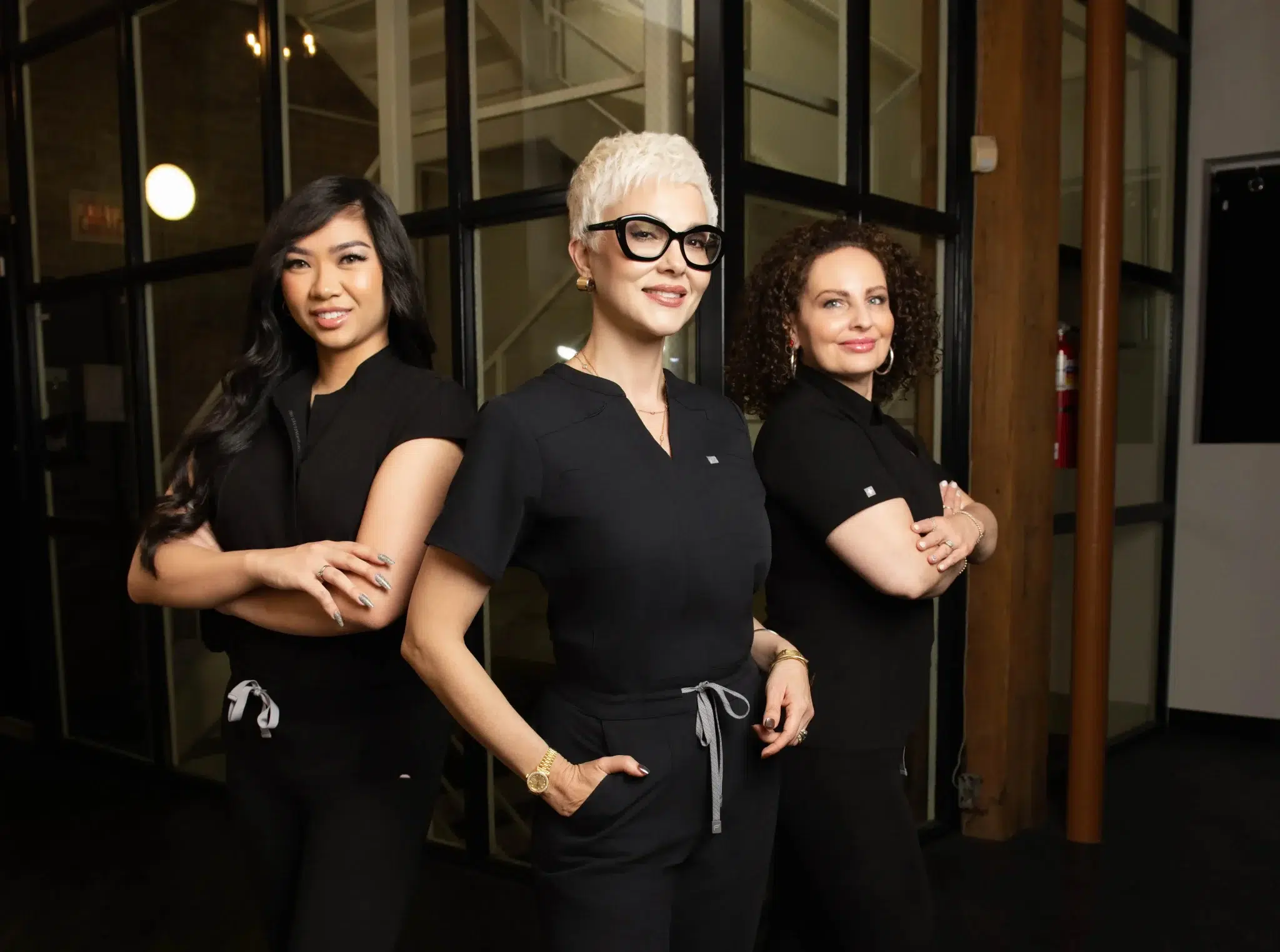
Ready to Find the Right Vaginal Tightening Option for You?
You do not have to figure this out alone. Whether you are leaning toward a non-surgical treatment or want to explore all your options, a consultation with Dr. Kafali is the fastest way to get a personalized recommendation based on your anatomy, your goals, and your lifestyle. Please do not be shy about asking questions. She has heard them all.
Call or text: (312) 809-9983 Schedule online: Request a consultation Virtual consultations available for out-of-town patients
Consultations are $150 (virtual) or $250 (in-person). The fee is applied toward your treatment cost.
Related Resources
- Vaginal Tightening Surgery (Vaginoplasty) for the surgical option
- Vaginal Tightening Laser vs. Surgery for a detailed comparison
- What Is FormaV? for more on radiofrequency vaginal tightening
- Vaginal Tightening Before and After Photos
- Vaginoplasty Post-Op Instructions if you are considering the surgical route
- Non-Surgical Vaginal Rejuvenation for a full overview of non-surgical options
Medical Disclaimer: The content on this page has been medically reviewed for accuracy by Dr. Sue Kafali, MD, FACOG. This information is for educational purposes only and is not a diagnosis or treatment plan. Individual results vary. Candidacy, risks, and expected outcomes can only be determined after a private consultation and examination with Dr. Kafali.
Last medically reviewed: 2026-04-30