

Vaginal tightening means two different approaches
Vaginal tightening is a broad term that can mean two different things: non-surgical treatments that support tissue firmness and comfort, and surgical repair that tightens deeper support structures. If you’ve noticed changes after childbirth, aging, weight shifts, or hormonal changes, you’re not alone. Many women feel a difference in support, comfort, and confidence over time.
At FemSculpt Cosmetic Gynecology in Chicago, Dr. Sue Kafali focuses on what most patients are really asking: what’s driving the change, and what’s the safest way to address it without compromising comfort or sensation.
Is vaginal tightening right for you?
It’s normal to ask yourself whether vaginal tightening makes sense for what you’re feeling. Many women notice a “looser” feeling or less pelvic support over time, especially after:
- Childbirth: A vaginal delivery can stretch the vaginal tissues and the muscles that support them.
- Aging and hormone changes: As estrogen levels shift (often in perimenopause and menopause), tissues can lose some elasticity and strength.
- Weight changes: Significant weight loss or gain can affect pelvic support.
- Genetics: Some people naturally have more laxity in their pelvic tissues.
- Ongoing pressure on the pelvic floor: Things like chronic constipation or frequent heavy lifting can strain pelvic muscles over time.
Signs treatment may help
You might be a good candidate for vaginal tightening if you notice:
- A persistent “loose” feeling, especially during exercise or daily movement
- Less friction during intimacy or sex feeling “different” than it used to
- Feeling self-conscious or less confident because of these changes
- In some cases, reduced muscle support can also affect sexual satisfaction
Non-surgical vs surgical vaginal tightening
The best option depends on how much laxity you have, your anatomy, and what outcome you want. In most cases, you’ll fall into one of two paths:
Option 1: Non-surgical vaginal tightening
Non-surgical treatments can be a strong fit when changes are mild to moderate, or when you want improvement without surgery and with minimal downtime. These options generally work by supporting tissue quality and firmness over time.
Common non-surgical approaches include:
- Radiofrequency (RF) treatments (such as Morpheus8V or FormaV): These use controlled RF energy to encourage collagen and improve tissue firmness and comfort gradually.
- CO2 laser treatments (for select concerns): These can support tissue health and comfort, especially when dryness or irritation is part of the picture.
- Pelvic floor strengthening (Kegels or pelvic floor physical therapy): Helpful when the primary issue is muscle support and control. Many women are surprised how much this can improve everyday comfort and confidence.
- Regenerative-based treatments: uses components from your own blood and plasma that may support tissue healing. It can be also used alone or alongside other treatments depending on your goals.
If you want to explore non-surgical options in more detail, start here: non-surgical vaginal rejuvenation in Chicago.
Option 2: Surgical tightening (vaginoplasty and mini tightening)
Surgical vaginal tightening focuses on repairing and tightening supportive tissue and muscle, which can be necessary when laxity is more significant, particularly after childbirth.
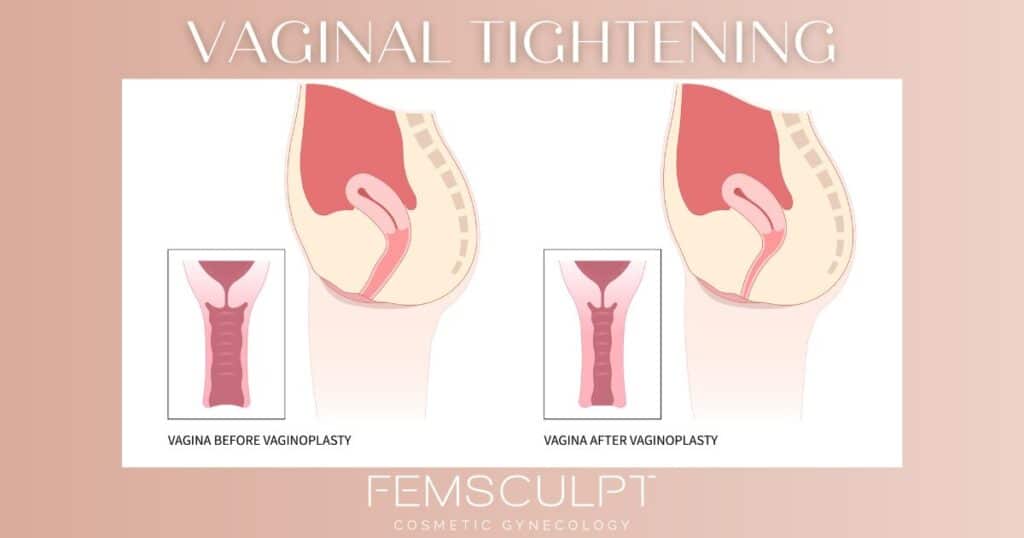
Two common surgical approaches include:
- Vaginoplasty: A more comprehensive repair used when deeper tightening and support restoration are needed.
- Mini tightening: Dr. Sue Kafali’s Mini-Vaginal Tightening may be an option for select patients when a focused correction makes more sense than a full repair.
If you’re considering surgery, here are a few practical things to know
- Safety: Vaginal tightening surgery is generally safe when performed by an experienced specialist. As with any surgery, there are risks (like bleeding, infection, scarring, or changes in sensation), but careful technique and detailed aftercare help reduce them.
- Timing: If you plan to have more children, it’s often best to wait on surgery. Childbirth can stretch tissues again, which may reduce or reverse results. In the meantime, non-surgical treatments or pelvic floor therapy can be a helpful bridge.
- Recovery: Most patients need a period of pelvic rest. A common guideline is avoiding sex and anything inserted into the vagina (including tampons) for about six weeks, but your exact plan should be tailored to your body and your procedure.
So, what’s the best next step for you?
If what you’re noticing is mild or moderate, non-surgical options may offer meaningful improvement with minimal downtime. If the change feels more significant, or if you want a more definitive repair, surgical tightening may be worth discussing. Either way, you deserve a plan that prioritizes comfort, function, and safety, not a one-size-fits-all approach.
Talk with Dr. Sue Kafali in Chicago
If you’d like to understand what’s causing the changes you’re feeling and what options make the most sense for your body, you can schedule a consultation with Dr. Sue Kafali at FemSculpt Cosmetic Gynecology in Chicago. You’ll get a clear evaluation, straightforward recommendations, and a plan built around your goals.
Contact our office to schedule a consultation with Dr. Sue Kafali today!
About Dr. Sue Kafali
Dr. Sue Kafali is a highly regarded, board-certified Cosmetic Gynecologist and one of the leading labiaplasty and vaginal rejuvenation surgeons in Chicago, Illinois. With more than two decades of experience in women’s reproductive health, Dr. Kafali has helped thousands of women restore both confidence and comfort through advanced cosmetic gynecology procedures.
She is fellowship-trained and accredited in minimally invasive and robotic gynecologic surgery, which brings an unparalleled level of precision and safety to her work. Dr. Kafali is widely recognized as a trusted authority in labiaplasty, vaginal tightening, and comprehensive feminine rejuvenation, making her a top choice for women locally in Chicago as well as patients traveling from across the country.
At FemSculpt Cosmetic Gynecology, the first practice in Chicago dedicated exclusively to female intimate wellness and rejuvenation, Dr. Kafali and her team specialize in treatments that blend medical expertise with aesthetic artistry. From labia minora reduction to nonsurgical vaginal tightening and advanced PRP therapies, every procedure is tailored to a woman’s unique anatomy and goals.
Our mission is simple: to help women feel comfortable, confident, and empowered in their own bodies. Whether addressing functional issues such as vaginal laxity, incontinence, or pain, or enhancing aesthetic concerns for improved confidence and sexual wellness, Dr. Kafali provides compassionate, discreet, and expert care.
Because at FemSculpt, every woman deserves to feel good in her body, and Dr. Sue Kafali is here to help make that possible.