
If you have been dealing with a prominent or sagging mons pubis, the area right above your pubic bone, you are not alone. So many women live with this and never talk about it. The bulge that shows through leggings. The heaviness that makes fitted clothing uncomfortable. The self-consciousness that follows you into the bedroom or the gym. Diet and exercise cannot fix this because the mons pubis stores fat based on genetics and hormones, not body weight. That is why thousands of women pursue mons pubis reduction each year.
At FemSculpt in Chicago, Dr. Sue Kafali performs monsplasty with a focus on protecting sensation and nerve pathways. As a board-certified OB/GYN, she understands how childbirth, hormones, and aging change this area at a level that general cosmetic surgeons simply cannot match. Her background in obstetrics and gynecology means she has spent her career studying the very anatomy involved in this procedure. Sensation preservation is built into every surgical plan she creates.
Key Takeaways
- Monsplasty reduces a prominent mons pubis through liposuction, skin removal, or a combination of both, with results tailored to your anatomy
- Mons pubis liposuction starts at $7,900. Surgical monsplasty starts at $8,900 to $15,000 depending on technique and whether it is combined with other procedures
- Most patients return to desk work in 1 to 2 weeks and resume full activity by 4 to 6 weeks
- Dr. Kafali is a board-certified OB/GYN who prioritizes sensation preservation and personalized surgical planning
- Insurance does not typically cover monsplasty, though patients with documented medical necessity may seek individual reimbursement
What Is a Monsplasty?
A monsplasty (also called a mons pubis reduction or mons lift) is a procedure designed to flatten and reshape the area directly above the pubic bone. This area can become enlarged or saggy due to weight fluctuations, pregnancy, C-section scarring, hormonal changes, or genetics.
The procedure may involve:
- Liposuction to remove excess fatty tissue when skin elasticity is still good
- Skin excision to remove loose, hanging skin when laxity is the primary concern
- A combination approach using both liposuction and skin removal for more complete reshaping
- Renuvion J-Plasma skin tightening as an adjunct to improve skin retraction after fat removal
Many women describe this concern in blunt terms: “I look like I have a bulge that won’t go away no matter what I do.” Others say they cannot wear leggings or workout pants without feeling self-conscious. These are real descriptions from real patients, and they reflect a frustration that no amount of diet or exercise can solve.
Why the Mons Pubis Changes After Weight Loss, Pregnancy, or Aging
Understanding why this area changes helps explain why monsplasty may be the only effective solution.
After significant weight loss: When you lose a large amount of weight, the skin and fat in the mons pubis area often do not shrink proportionally. This leaves a visible, sometimes heavy, pouch of tissue that hangs over the pubic area. Women who have lost 50 pounds or more frequently describe this as the one area that never “caught up” with the rest of their body.
After pregnancy and C-section: A C-section incision can create a visible shelf or overhang just above the mons. The combination of stretched skin, hormonal fat redistribution, and scar tissue can make this area look and feel heavier than before pregnancy.
Hormonal and age-related changes: Menopause and natural aging cause skin to lose elasticity while fat distribution shifts. Some women notice their mons pubis becoming more prominent in their 40s or 50s despite no change in weight.
Genetic predisposition: Some women have a naturally prominent mons pubis regardless of their weight, fitness level, or pregnancy history. This is a structural, anatomical characteristic. It is not a reflection of health or fitness.
Monsplasty Cost: What to Expect
The cost of monsplasty varies based on the technique used, the extent of correction needed, and whether it is combined with another procedure.
FemSculpt pricing:
- Mons pubis liposuction: starts at $7,900
- Monsplasty (surgical skin excision): $8,900 to $15,000, with final cost depending on the extent of correction and whether it is combined with other procedures
Your specific cost will depend on the surgical plan Dr. Kafali develops during your consultation. Visit the pricing page for current rates.
All prices are subject to change and reflect starting prices. Final cost depends on anatomy, technique, anesthesia type, and whether procedures are combined. An individualized quote is provided during consultation.
FemSculpt offers financing options through CareCredit and other third-party financing providers. Many patients use these plans to make the procedure more manageable.
Consultations: FemSculpt consultations are $150 for virtual and $250 for in-person. Consultations are not complimentary.
Does Insurance Cover Monsplasty?
In most cases, no. Monsplasty is considered a cosmetic procedure and is not covered by insurance. There are situations where insurance may provide partial reimbursement, but they are limited:
- After massive weight loss: If you have lost significant weight (often after bariatric surgery) and have excess skin causing documented medical issues such as chronic rashes, infections, or skin breakdown
- Functional impairment: When the excess tissue interferes with mobility, hygiene, or causes recurrent infections
- BMI requirements: Many insurance companies require a BMI under 30 (sometimes under 35) and documentation that the condition has been stable for 6 to 12 months
FemSculpt does not work with any insurance companies directly. You are responsible for the full cost of the procedure up front. Dr. Kafali recommends checking with your individual insurance provider to see if you may be eligible for reimbursement, particularly if your case involves documented medical necessity.
Monsplasty Before and After: What Results Look Like
Before and after photos are one of the most helpful tools for understanding what monsplasty can achieve. Patients considering this procedure want to see results that look natural and proportional. Not overdone.
What to look for in before and after photos:
- A flatter, smoother contour in fitted clothing
- Proportional appearance between the lower abdomen and pubic area
- Elimination of the “shelf” or overhang that so many women describe
- Natural-looking results that match the rest of the body
Visit the FemSculpt before and after gallery to view real patient results. Dr. Kafali encourages reviewing gallery photos as part of your research process. During your consultation, she can show you results from patients with similar anatomy and concerns.
A note about searching for results online: The best before and after photos come from board-certified surgeons who specialize in this area. Stock photos and heavily filtered images do not represent typical outcomes. Dr. Kafali’s gallery features unretouched patient photos taken under consistent lighting.
Combining Monsplasty with a Tummy Tuck
One of the most common combinations in body contouring is monsplasty with abdominoplasty (tummy tuck). This pairing makes sense for a few reasons.
The mons and lower abdomen share skin, fat, and tissue. Addressing one without the other can leave an imbalanced result. A tummy tuck already involves an incision in the lower abdomen, making it practical to address the mons at the same time. Combining the procedures means one recovery period instead of two. And patients who have lost significant weight often need both to achieve a proportional contour.
If you are considering a tummy tuck and have concerns about your mons pubis, bring this up during your consultation. Dr. Kafali evaluates both areas together and will recommend the approach that gives you the most balanced, natural result.
Monsplasty Recovery: Week by Week
Recovery from monsplasty is manageable for most patients. Here is what to expect.
Days 1 to 3: This is the most uncomfortable period. You will have swelling and bruising in the treated area. A compression garment is worn to support healing and minimize swelling. Most patients manage discomfort with prescribed pain medication. Stay off your feet as much as possible during these first few days.
Days 4 to 7: Discomfort begins to improve noticeably around day 5. You may feel well enough to move around the house more, but avoid any bending, lifting, or straining. Swelling is still significant but manageable.
Weeks 1 to 2: Many patients return to desk work by the end of week one or beginning of week two. Walking is encouraged to promote circulation. Avoid tight clothing that puts pressure on the incision site.
Weeks 2 to 4: Swelling continues to decrease. You may start to see early results, though the area will still look different from the final outcome. Light activity is usually permitted, but no vigorous exercise.
Weeks 4 to 6: Most patients can resume exercise and normal physical activity. Incisions are healing well. Results are becoming more visible as swelling resolves.
Months 2 to 3: Final results typically become apparent 2 to 3 months after surgery, once all swelling has resolved and tissues have settled into their new shape.
Your dedicated support person will check in with you throughout recovery. You always have someone to call or text with questions. You are never left guessing about what is normal.
When to call your surgeon: Contact Dr. Kafali’s office if you experience sudden increases in pain, signs of infection (fever, redness spreading from the incision, unusual discharge), or any concerns about your healing.
BMI Requirements and Candidacy
Weight stability is an important factor in monsplasty candidacy. Dr. Kafali evaluates each patient individually, but general guidelines include:
- Stable weight for at least 3 to 6 months before surgery. Significant weight fluctuations after the procedure can affect results.
- BMI considerations: While there is no universal BMI cutoff, patients with a very high BMI may be advised to reach a more stable weight before surgery to optimize healing and results. This is about safety, not judgment.
- Realistic expectations: Monsplasty reshapes the mons pubis. It is not a weight loss procedure and is not a substitute for overall body contouring.
If you are currently in the process of losing weight, Dr. Kafali may recommend waiting until your weight has stabilized before scheduling surgery. This supports the best possible long-term results.
Why Patients Choose Dr. Kafali for Monsplasty
Dr. Kafali is a board-certified OB/GYN (American Board of Obstetrics and Gynecology) who founded FemSculpt as Chicago’s dedicated cosmetic gynecology practice. Her approach to monsplasty is different from what you will find at a general plastic surgery practice.
OB/GYN expertise. She understands how pregnancy, C-sections, hormonal changes, and aging affect the mons pubis because she has spent her career studying and treating these exact changes. This is not a side procedure for her. It is a core part of her practice.
Sensation preservation. Every surgical plan accounts for nerve pathways in the mons and pubic area. Protecting sensation is a clinical priority, not an afterthought.
1-on-1 dedicated patient support. Every FemSculpt patient has a dedicated support person from consultation through recovery. You can text and call with questions throughout the process. Patients cite this in nearly every review.
Honest assessment. Dr. Kafali will tell you what is achievable and what is not. She does not oversell or overpromise. Patients appreciate her directness: “She is frank about what to expect and very clear on what she can do.”
Patients travel from across the country to see Dr. Kafali for cosmetic gynecology procedures. FemSculpt offers virtual consultations as a first step for out-of-town patients.
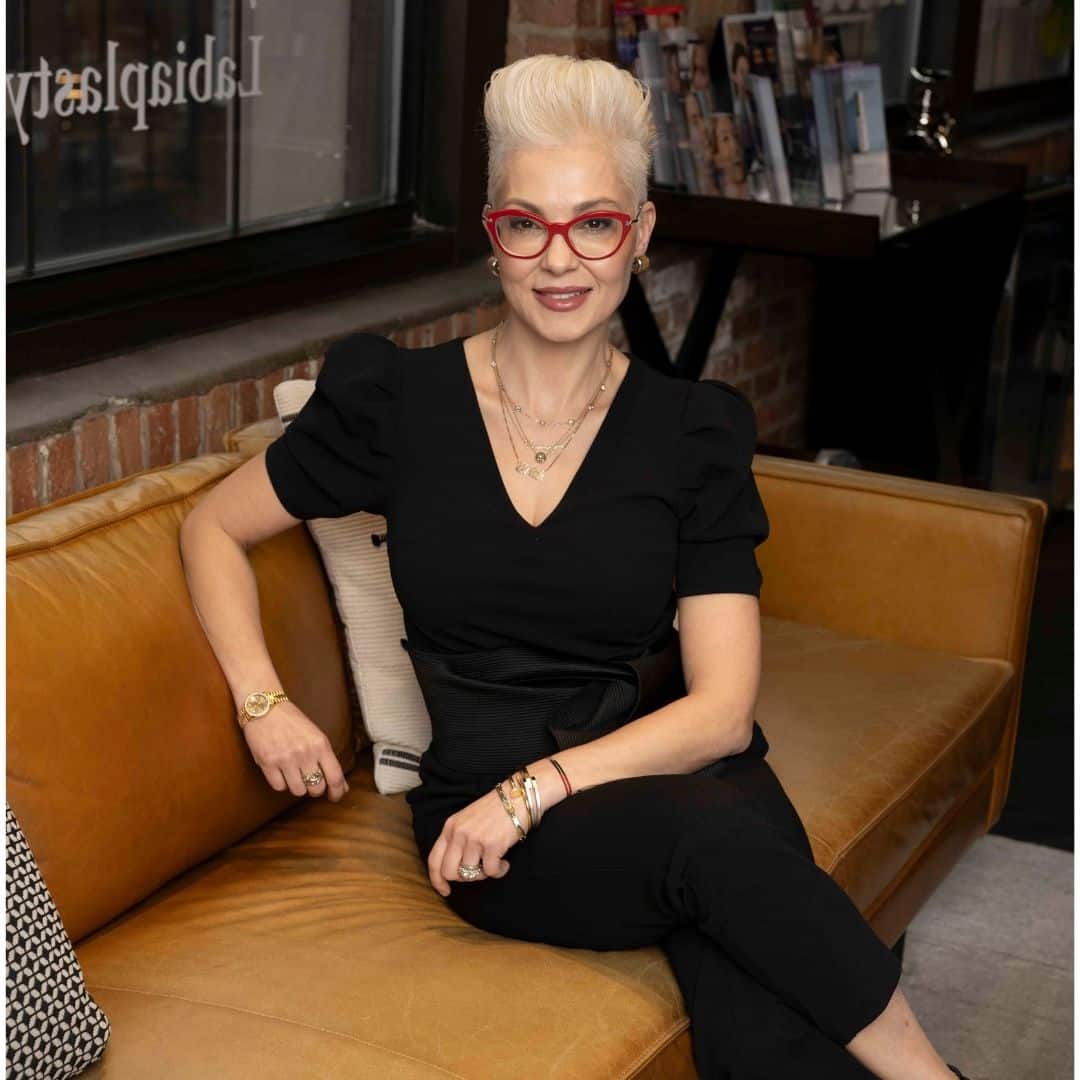
Board-Certified OB/GYN · Advanced Cosmetic Gynecology & Robotic Surgery
Dr. Sue Kafali is a board-certified obstetrician and gynecologist with advanced training in both cosmetic gynecology and robotic surgery. She founded FemSculpt Cosmetic Gynecology, the first and only practice in Chicago dedicated exclusively to cosmetic gynecology and intimate wellness. With more than two decades of experience, she is recognized as one of the nation’s leading cosmetic gynecology surgeons, a Top OB/GYN Award recipient in Chicago, and a multi-year Patients’ Choice and Most Compassionate Doctor honoree. Every procedure is planned around your comfort, safety, and long-term results.
Book a ConsultationFrequently Asked Questions About Monsplasty
How much does a monsplasty cost?
Mons pubis liposuction starts at $7,900. Surgical monsplasty with skin excision ranges from $8,900 to $15,000. Final cost depends on the extent of correction, anesthesia type, and whether it is combined with other procedures. Your personalized quote is determined during your consultation after Dr. Kafali evaluates your anatomy and goals.
Will I lose sensation after monsplasty?
Most patients do not lose sensation. Dr. Kafali is a board-certified OB/GYN with deep knowledge of the nerve pathways in the mons pubis and pubic area, and sensation preservation is a priority in every procedure she performs. Temporary numbness or altered sensation is common in the weeks following surgery, but most patients report that normal feeling returns as healing progresses.
How long is recovery from monsplasty?
Most patients return to desk work within 1 to 2 weeks and resume exercise by 4 to 6 weeks. Full swelling resolution and final results typically take 2 to 3 months. Each patient’s recovery varies based on the extent of the procedure and individual healing.
Is monsplasty covered by insurance?
Generally, no. Monsplasty is considered cosmetic and is not covered by insurance. Exceptions may apply after massive weight loss when excess tissue causes documented medical issues. FemSculpt does not bill insurance directly, but you may check with your provider about potential reimbursement for medically necessary cases.
Can monsplasty be combined with a tummy tuck?
Yes, and it is one of the most common combinations. The procedures complement each other because the mons and lower abdomen share tissue. Combining them means one recovery period and a more proportional result. Dr. Kafali evaluates both areas during your consultation.
What BMI do I need for monsplasty?
There is no single BMI cutoff. Your weight should be stable for at least 3 to 6 months before surgery. Patients with a very high BMI may be advised to reach a more stable weight first to optimize safety and results. Dr. Kafali discusses this individually during your consultation.
Is monsplasty painful?
The discomfort is moderate and manageable with prescribed medication. Pain tends to peak in the first 2 to 3 days and improves significantly by day 5 to 7. Many patients are pleasantly surprised that recovery is less painful than they anticipated.
What is the difference between monsplasty and liposuction?
Liposuction removes excess fat but does not address loose or sagging skin. A full monsplasty may include liposuction plus skin excision and lifting. If your skin has good elasticity, liposuction alone may be sufficient. If skin laxity is present, excision is typically needed for the best result. Dr. Kafali recommends the approach based on your specific anatomy.
Will monsplasty help after major weight loss?
Yes. Monsplasty is one of the most common procedures sought after significant weight loss. The mons pubis area often retains excess skin and fat even after substantial weight reduction. Monsplasty can remove that tissue and restore a flatter, more proportional contour.
How do I find monsplasty near me?
Look for a board-certified surgeon who specializes in body contouring or cosmetic gynecology. Dr. Kafali at FemSculpt in Chicago sees patients from across the country, and virtual consultations are available as a first step for those who are not local.
Ready to Schedule Your Consultation?
If a prominent mons pubis has been affecting your comfort or confidence, you deserve to explore your options with a surgeon who specializes in this area. Dr. Kafali takes the time to understand your goals, evaluate your anatomy, and develop a plan designed for your body. Please do not be shy about reaching out.
To schedule a consultation: – Call or text: (312) 809-9983 – Request a consultation online – Virtual consultations available for out-of-town patients
Consultations are $150 (virtual) or $250 (in-person).
Related Resources
- Mons pubis reduction and lift: What to know
- FemSculpt before and after gallery
- Vaginal rejuvenation pricing
- About Dr. Sue Kafali
- Financing options
Medical Disclaimer: The content on this page has been medically reviewed for accuracy by Dr. Sue Kafali, MD, FACOG. This information is for educational purposes only and is not a diagnosis or treatment plan. Individual results vary. Candidacy, risks, and expected outcomes can only be determined after a private consultation and examination with Dr. Kafali.
Last medically reviewed: 2026-04-20