
If you have been living with vaginal laxity after childbirth or with age, you are not alone. So many women experience changes in tightness, sensation, and confidence that affect daily comfort and intimate life. Vaginoplasty is a surgical procedure designed to restore internal structure, improve sensation during intimacy, and help you feel like yourself again.
The fear that comes up most often is whether tightening surgery will reduce sensation. Dr. Kafali addresses this directly with every patient she sees: sensation is protected. As a board-certified OB/GYN, she trained specifically in female anatomy, nerve pathways, and sexual function. That means she understands where sensation lives and how to preserve it. Patients consistently report that sensation improves after vaginoplasty, not the other way around. When the vaginal canal is tighter, there is more contact during intimacy, and that is exactly what so many women describe wanting back.
At FemSculpt in Chicago, Dr. Kafali performs vaginoplasty as an OB/GYN, not a plastic surgeon. That distinction matters. Her career-long focus on female reproductive anatomy means every procedure is planned around nerve preservation and sexual function as a clinical priority. She also provides 1-on-1 dedicated patient support from consultation through recovery, so you always have someone to call or text when you have a question.
Important note: This article covers vaginoplasty as a vaginal tightening procedure for cisgender women experiencing laxity from childbirth, aging, or trauma. Gender-affirming vaginoplasty is a different procedure with different goals, techniques, and surgical teams. If you are seeking information about gender-affirming surgery, please consult a provider who specializes in that care.
Key Takeaways
- Vaginoplasty for women tightens the vaginal canal and may restore sensation lost after childbirth or aging
- Dr. Kafali is a board-certified OB/GYN who prioritizes nerve preservation and sexual function in every procedure
- Vaginoplasty recovery time is typically 6 to 8 weeks, with most patients returning to light activity within one week
- Non-surgical alternatives like Morpheus8V may be appropriate for mild to moderate laxity
- Many patients combine vaginoplasty with perineoplasty or labiaplasty for a more complete result
What Is Vaginoplasty and Who Is It For?
Vaginoplasty is a surgical vaginal tightening procedure that removes excess tissue from the posterior vaginal wall and tightens the surrounding muscles and soft tissue. The goal is to narrow the vaginal canal, improve muscle tone, and restore structural support that may have been stretched or damaged.
Most women who seek vaginoplasty share a few common experiences:
Postpartum patients. Women who have had two or more vaginal deliveries and experience significant laxity that did not resolve on its own. Many of Dr. Kafali’s patients describe having three, five, or even seven children before seeking treatment.
Birth trauma patients. Women whose perineum tore during delivery and was repaired incorrectly, or who experienced episiotomy complications that left the vaginal opening wider than before.
Aging and menopause. Hormonal changes, loss of estrogen, and natural tissue changes over time can cause gradual loosening even without childbirth.
Patients who tried Kegels without enough improvement. Pelvic floor exercises help, but they have limits. When structural laxity is significant, exercise alone cannot restore what surgery can.
This is not a cosmetic-only procedure. Patients describe real functional concerns: difficulty feeling sensation during intimacy, decreased ability to orgasm, urinary leaking during exercise or laughing, and loss of confidence with a partner. These are quality-of-life issues, and they deserve to be addressed. As one patient shared, “I just want a great grip again. I want to feel pleasure again.” If that sounds like you, please do not be shy about exploring your options.
How Sensation and Pleasure Are Protected During Vaginoplasty
One of the most common fears patients express is whether vaginoplasty will affect sensation. It is a valid concern, and Dr. Kafali takes it seriously.
A lot of women think that tightening means losing feeling. That is actually not how it works. When the vaginal canal is tighter, there is more contact and friction during intimacy. Most patients tell Dr. Kafali that sensation actually improves because the tissue has better contact and support. As one patient described, “Sex has drastically improved.”
Dr. Kafali spent her career studying female anatomy, including the nerve pathways responsible for sexual sensation and arousal. That background is fundamentally different from a plastic surgeon who learned to operate on these structures. She understands which tissues can be safely tightened and which must be carefully preserved.
The procedure does not involve the clitoris or the anterior vaginal wall where most sensation-critical nerve endings are concentrated. Dr. Kafali’s technique focuses on the posterior wall and the surrounding musculature, keeping the areas responsible for arousal and orgasm intact.
What Happens During a Vaginal Tightening Procedure
Vaginoplasty at FemSculpt is performed under general anesthesia and typically takes one to two hours, depending on the extent of correction needed.
During the procedure, Dr. Kafali:
- Removes excess vaginal lining (mucosa) from the posterior vaginal wall
- Tightens the underlying muscles (levator ani) with internal sutures
- Narrows the vaginal canal from the opening upward, sometimes extending to the cervical level
- Tightens the external vaginal opening if needed (this portion overlaps with perineoplasty)
Because the vaginal lining heals similarly to the inside of the mouth (rich blood supply, mucosal tissue), internal scarring is minimal and fades significantly over time. External incisions, if made, are placed along natural skin folds where they become nearly invisible.
The procedure can be performed on its own or combined with complementary treatments such as labiaplasty, clitoral hood reduction, or the Climax Shot for enhanced sexual wellness outcomes.
Vaginoplasty Recovery Time: A Week-by-Week Timeline
Understanding the vaginoplasty recovery time is one of the biggest decision factors for patients, especially mothers managing recovery alongside childcare. Here is what to expect.
Days 1 to 3. Expect moderate soreness, swelling, and some spotting. Most patients manage discomfort with prescribed medication and find it significantly less painful than they anticipated. Rest is important during this phase. Ice packs and elevation help with swelling.
Days 4 to 7. Swelling begins to decrease. Most patients feel well enough to handle light activity around the house. Walking short distances is encouraged. Many patients return to desk work within 5 to 7 days.
Weeks 2 to 3. Continued improvement. Swelling continues to resolve. You may feel tightness or pulling sensations as tissues heal. Follow all post-operative instructions carefully during this phase.
Weeks 4 to 6. Most patients feel close to normal. Light exercise (walking, gentle yoga) may resume with Dr. Kafali’s clearance. Internal healing is still occurring.
Weeks 6 to 8. Full recovery for most patients. Sexual activity may typically resume at the 6-week mark with Dr. Kafali’s clearance. Many patients report that intimacy is noticeably improved, with increased tightness and sensation.
Months 3 to 6. Final results settle in. Any residual swelling resolves completely. Tissues reach their final tone and flexibility. This is when patients often describe the full impact of their results.
Patients who are mothers often ask about managing recovery with children. Planning ahead makes a real difference. Arrange for help with lifting and childcare during the first two weeks. Dr. Kafali’s team provides clear guidance on what activities to avoid and when you can safely resume your routine. Your dedicated support person will check in with you throughout recovery, so you are never guessing about what is normal.
Vaginoplasty vs. Non-Surgical Vaginal Tightening: Which Is Right for You?
Not every patient needs surgery. Dr. Kafali evaluates each patient individually and may recommend a non-surgical approach for mild to moderate laxity.
| Factor | Vaginoplasty (Surgical) | Morpheus8V (Non-Surgical) |
|---|---|---|
| Best for | Moderate to severe laxity, birth trauma, significant muscle separation | Mild to moderate laxity, early changes, maintenance |
| Procedure time | 1 to 2 hours under general anesthesia | 20 to 30 minutes, in-office, no anesthesia |
| Downtime | 6 to 8 weeks full recovery | Minimal, return to routine within 1 to 2 days |
| Results | Permanent structural tightening | Gradual tightening over 3 to 6 months, may need maintenance sessions |
| Sensation improvement | Significant, often reported immediately | Gradual improvement in tightness and tissue quality |
Morpheus8V uses radiofrequency microneedling to stimulate collagen production inside the vaginal canal. It is a strong option for women who want improvement without surgery, or as a complement to surgical vaginoplasty for enhanced results. You can learn more about how the two approaches compare in our guide to vaginal tightening: laser vs. surgery.
For patients with mild concerns or those who are not ready for surgery, Dr. Kafali also offers FormaV, which provides radiofrequency-based tightening with zero downtime. She evaluates each patient individually and will not recommend surgery if a non-surgical option can address your concerns.
How Much Does Vaginoplasty Cost?
Vaginoplasty pricing depends on the extent of the procedure, whether it is combined with other treatments, and anesthesia requirements. FemSculpt provides detailed pricing during your consultation so there are no surprises.
For current pricing details, visit the vaginal tightening pricing page or contact the office directly.
Consultation fees: – In-person consultation: $250 – Virtual consultation: $150
Consultation fees apply toward treatment costs if you move forward with a procedure. FemSculpt also offers financing options including CareCredit to make treatment more accessible.
Insurance typically does not cover vaginoplasty as it is considered an elective procedure. However, patients should check with their individual insurance provider to see if they are eligible for reimbursement in cases involving documented medical necessity.
Why Patients Choose Dr. Kafali for Vaginoplasty
Dr. Sue Kafali is a board-certified OB/GYN (American Board of Obstetrics and Gynecology) and Fellow of the American Congress of Obstetricians and Gynecologists. She founded FemSculpt as Chicago’s dedicated cosmetic gynecology practice because she saw how many women were living with these concerns and not talking about them.
What makes her approach different:
OB/GYN expertise. She understands how childbirth, hormones, and aging change the vaginal canal at a level that general cosmetic surgeons cannot match. Patients specifically cite this as the reason they chose FemSculpt.
Sensation-first philosophy. Every procedure is planned around protecting and improving nerve function and sexual pleasure. This is not an afterthought. It is the starting point.
1-on-1 dedicated support. Every patient has a dedicated team member they can text or call from consultation through recovery. Patients describe this as the thing that made the experience manageable. You are never left guessing about what is normal.
Revision capability. Dr. Kafali treats patients whose previous procedures elsewhere did not meet expectations. This level of complexity handling signals real depth of expertise.
Travel-worthy practice. Women travel from across the U.S. and internationally to see Dr. Kafali. The team helps coordinate travel and arrangements, and out-of-town patients can start with a virtual consultation and plan a single-trip surgical schedule.
As patients describe the experience: “Having a vaginal tightening, I feel much more confident in my daily life and intimately with my partner.”

Board-Certified OB/GYN · Advanced Cosmetic Gynecology & Robotic Surgery
Dr. Sue Kafali is a board-certified obstetrician and gynecologist with advanced training in both cosmetic gynecology and robotic surgery. She founded FemSculpt Cosmetic Gynecology, the first and only practice in Chicago dedicated exclusively to cosmetic gynecology and intimate wellness. With more than two decades of experience, she is recognized as one of the nation’s leading cosmetic gynecology surgeons, a Top OB/GYN Award recipient in Chicago, and a multi-year Patients’ Choice and Most Compassionate Doctor honoree. Every procedure is planned around your comfort, safety, and long-term results.
Book a ConsultationFrequently Asked Questions About Vaginoplasty
Will vaginoplasty affect my sensation or ability to orgasm?
Most patients report improved sensation after vaginoplasty, not reduced. A tighter vaginal canal means more contact during intimacy, which is what so many women describe wanting to feel again. Dr. Kafali’s OB/GYN training means she understands exactly which nerve pathways to protect. The clitoris and anterior wall, where most arousal-related nerve endings are concentrated, are not involved in the procedure.
What is the vaginoplasty recovery time?
Full vaginoplasty recovery time is typically 6 to 8 weeks. Most patients return to desk work within 5 to 7 days. Light exercise may resume around week 4 with clearance. Sexual activity is generally safe to resume at the 6-week mark. Final results settle over 3 to 6 months as tissues fully heal.
How painful is recovery from vaginal tightening surgery?
Less than you think. Patients consistently report that recovery pain was significantly less than they expected. Most describe the first few days as moderate soreness, well-managed with prescribed medication. The anticipation is often worse than the reality. As one patient put it, “The pain afterwards was minimal.”
Is vaginoplasty the same as gender-affirming surgery?
No. Vaginoplasty for women, as described in this article, refers to vaginal tightening surgery for cisgender women experiencing laxity from childbirth, aging, or trauma. Gender-affirming vaginoplasty is a separate procedure with different surgical techniques and goals. The two share a name but are clinically distinct.
Can Kegels fix vaginal laxity without surgery?
Kegel exercises strengthen pelvic floor muscles and can help with mild laxity. When structural changes are significant, such as after multiple vaginal births or severe tearing, Kegels alone cannot restore the tissue and muscle tone that surgery addresses. Dr. Kafali can assess whether non-surgical options are sufficient during your consultation.
What is the difference between vaginoplasty and perineoplasty?
Vaginoplasty tightens the internal vaginal canal. Perineoplasty repairs and tightens the external vaginal opening and perineum (the area between the vaginal opening and anus). Many patients benefit from combining both procedures, especially those with birth trauma affecting both areas.
How much does vaginoplasty cost?
Pricing varies based on the extent of correction, whether it is combined with other procedures, and anesthesia requirements. FemSculpt provides detailed pricing at your consultation so there are no surprises. Visit the pricing page for more information, and ask about financing options including CareCredit.
Can I combine vaginoplasty with other procedures?
Yes. Many patients combine vaginoplasty with labiaplasty, clitoral hood reduction, perineoplasty, or labial puff surgery for a more complete result. Dr. Kafali will recommend a personalized plan based on your anatomy and goals.
Is there a non-surgical alternative to vaginoplasty?
For mild to moderate laxity, yes. Morpheus8V radiofrequency microneedling can stimulate collagen production and gradually tighten vaginal tissue without surgery. FormaV is another non-surgical option. Dr. Kafali evaluates each patient individually to recommend the most appropriate approach.
How long do vaginoplasty results last?
Vaginoplasty results are considered permanent in terms of the structural tightening achieved. Natural aging, significant weight fluctuations, and future vaginal deliveries can affect results over time. Most patients who are done having children enjoy long-lasting improvement.
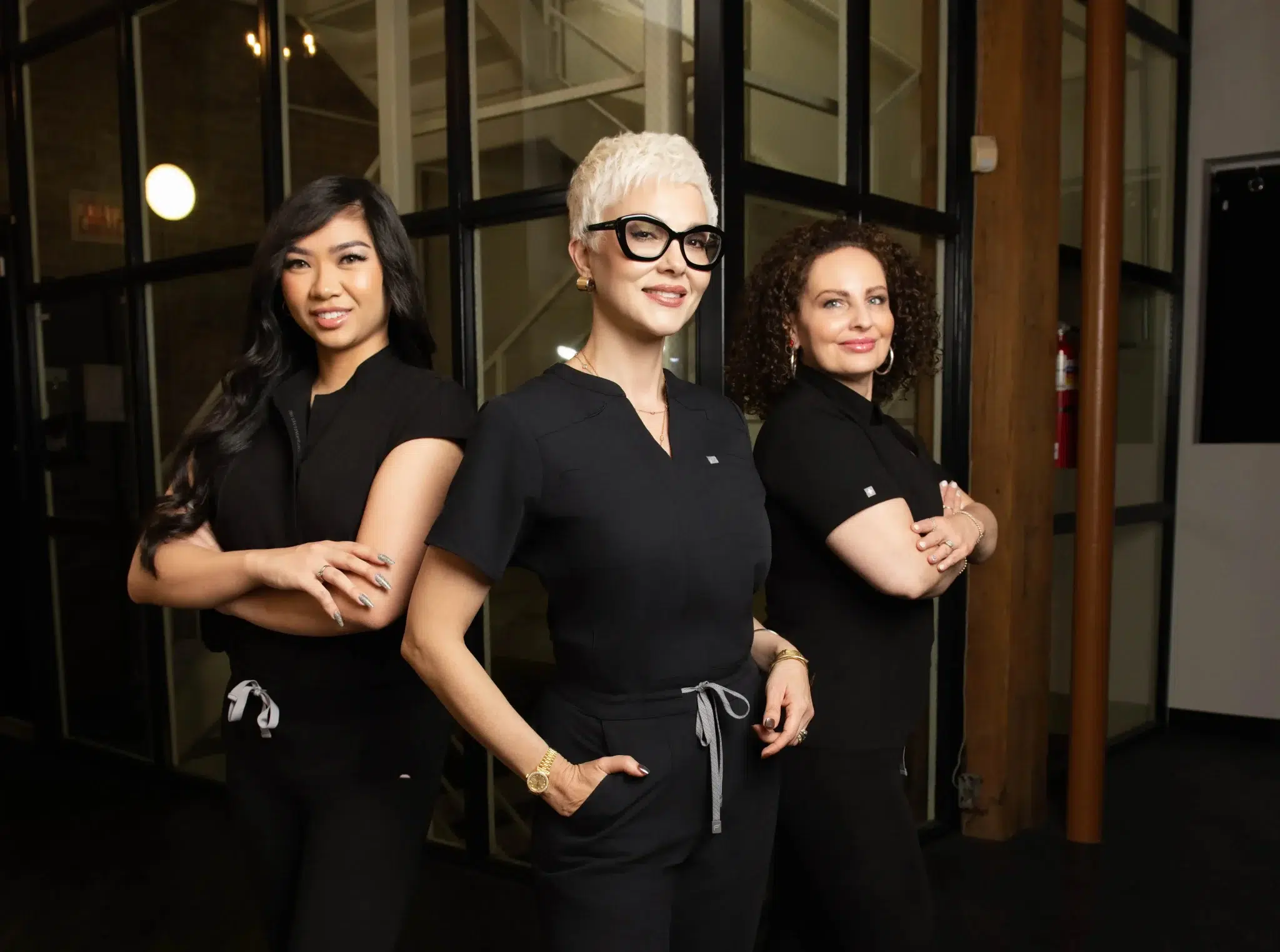
Ready to Learn More?
If vaginal laxity is affecting your comfort, confidence, or intimate life, you deserve to explore your options with a specialist who understands your anatomy. You are not the first person to ask about this, and you will not be the last. Please do not be shy about starting the conversation.
Schedule a consultation with Dr. Kafali at FemSculpt in Chicago. Virtual consultations are available for $150, and in-person consultations are $250. Consultation fees apply toward your procedure cost.
Call or text: (312) 809-9983
Related Resources
- Vaginal Tightening: Laser vs. Surgery
- What Is Mini Vaginal Tightening?
- Morpheus8V Vaginal Rejuvenation
- Vaginal Tightening Before and After Photos
- Vaginoplasty Post-Op Instructions
- Patient Gallery
Medical Disclaimer: The content on this page has been medically reviewed for accuracy by Dr. Sue Kafali, MD, FACOG. This information is for educational purposes only and is not a diagnosis or treatment plan. Individual results vary. Candidacy, risks, and expected outcomes can only be determined after a private consultation and examination with Dr. Kafali.
Last medically reviewed: 2026-04-23